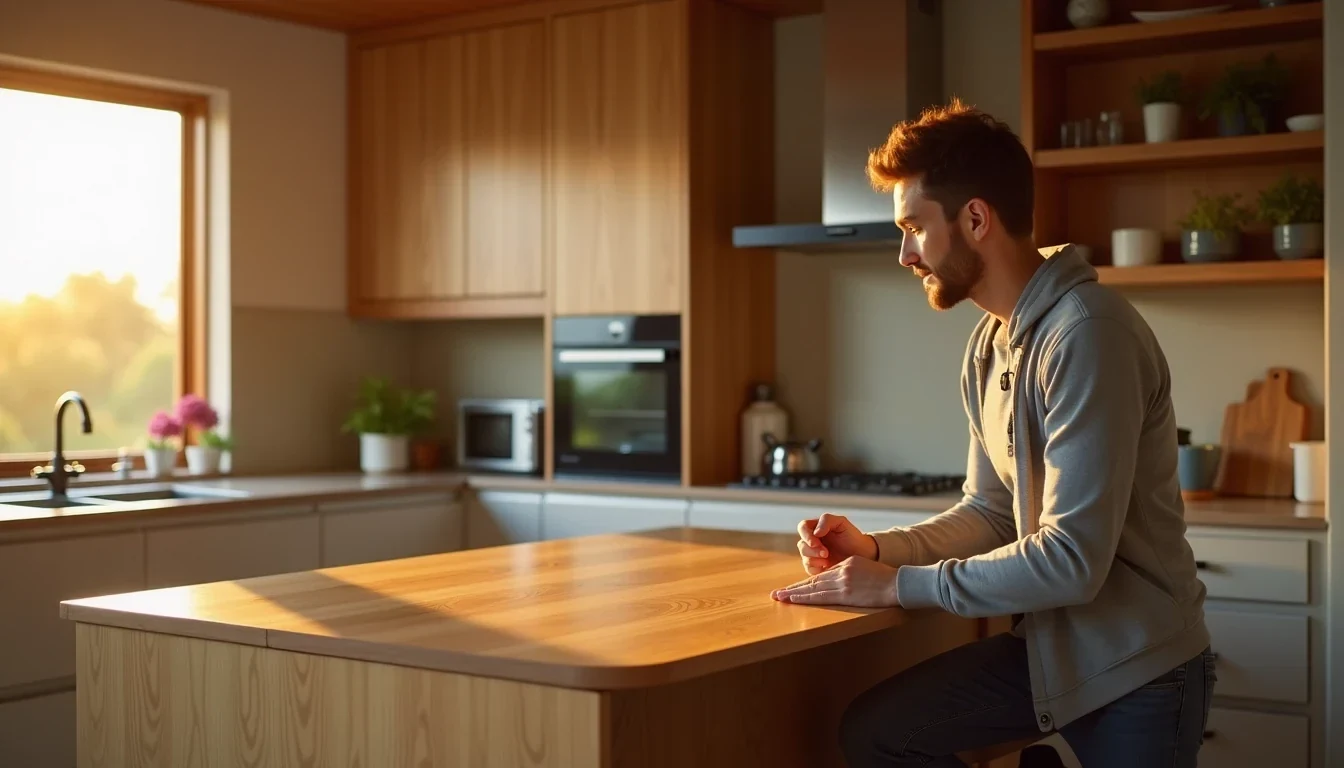
A prospective buyer will walk past the granite waterfall countertop, nod politely at the smart fridge, and still pause at the kitchen island with its oak grain catching the afternoon light. That pause is where the sale closes. In Centurion’s property market, the custom wood kitchen has become the single most reliable predictor of whether a family will make an offer or keep browsing. Not the square metreage. Not the security estate branding. The kitchen.
The real story is not that wood looks nice. South African family buyers have stopped pretending they want the surgical gleam of high-gloss finishes and stainless steel. They want a room that acknowledges what actually happens in it: homework spread across counters, aunties arriving unannounced, the dog waiting for scraps, the slow Sunday ritual of pap and wors that takes three hours because nobody is in a hurry. Estate agents operating in Centurion’s mid-to-upper bracket have watched this preference harden into a deal-breaker. Buyers will tolerate a dated bathroom. They will not tolerate a kitchen that feels like a showroom.
Why wood wins the emotional bid
The psychology is blunt. Natural timber triggers what property professionals call “daily life visualization” — the buyer’s ability to picture themselves already living there. High-gloss acrylics and brushed steel demand the opposite. They ask the family to imagine keeping the space pristine, performing a version of domestic life they do not actually lead. Oak, walnut, and engineered boards finished in PG Bison’s Melawood Linear or Natural Touch ranges age with the house. They accumulate the minor scuffs and patina of use that signal a room has been lived in, not merely displayed.
The headline leaves out that the “homely” quality buyers describe in post-viewing feedback is not nostalgia or conservatism. It is a practical read on how South African families actually use their kitchens. The island or breakfast bar functions as command centre, dining table, and homework station. Open timber shelving displays the inherited platter, the university cookbook, the ceramic bowl from a Market find — objects that mark the space as occupied by specific people with specific histories. Hidden appliance storage, increasingly standard in Centurion bespoke work, removes the visual noise of kettles and air fryers without removing their convenience. The result reads as organized but not sterile, a distinction that matters enormously to buyers who have spent the past decade watching kitchen trends lurch from industrial minimalism to farmhouse pastiche and back again.
The layout problem that mass production cannot solve
Centurion’s housing stock presents a particular challenge. The area’s rapid growth across the 1990s and 2000s produced a jumble of architectural styles — Tuscan revival estates, compact cluster homes, renovated smallholdings — with kitchens that were often afterthoughts. Narrow galley layouts. Bulkheads that chop ceiling height unpredictably. Walls that do not sit square because the builder was rushing to meet estate deadlines. Modular cabinetry, designed for standardized European dimensions, leaves gaps that collect grease and resentment.
Custom woodwork addresses this directly. Local firms including Centurion Carpentry and Cabinetry and Jack of All Trades measure, cut, and install to the actual contours of the room, not a catalogue template. A cabinet can be built to wrap an existing column. A pantry can be depth-matched to an irregular wall. The work triangle — cooker, sink, prep space — gets optimized for the specific user, whether that is a tall parent who bends for nothing or a grandmother who needs everything at counter height. Pricing runs from R5,000 to R20,000 per linear metre depending on material and complexity, which places the full kitchen somewhere between serious renovation and structural rebuild on the household budget. Buyers know this. They factor it into their offer calculations, and they reward sellers who have already absorbed the cost and the hassle.
What the materials actually mean
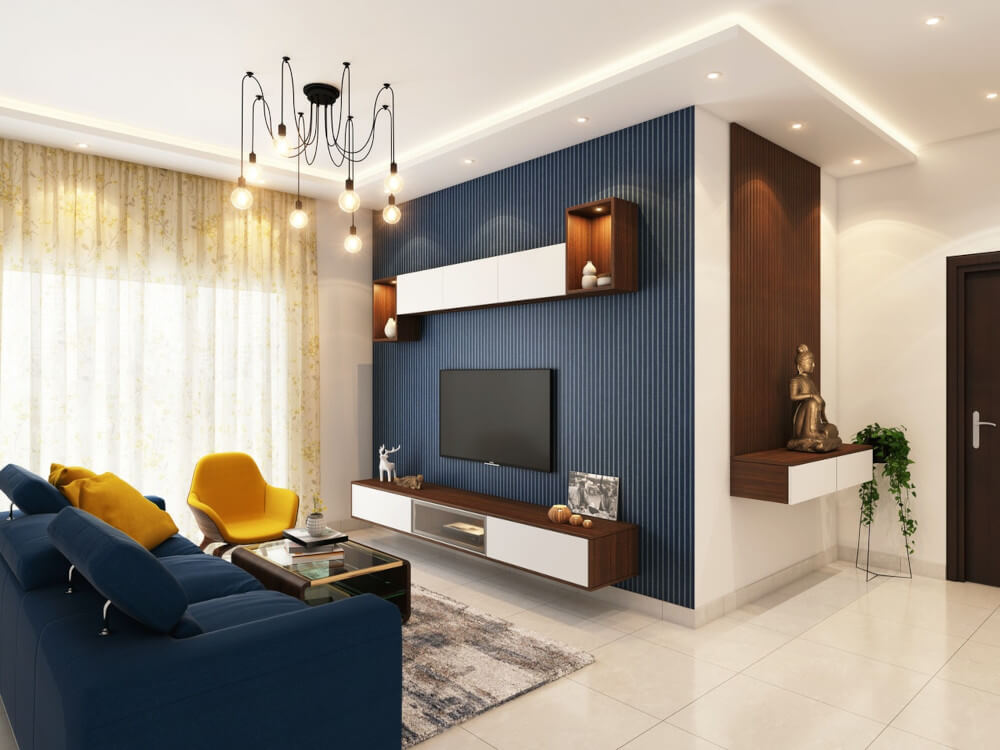
The specification details matter more than they appear to. Solid timber carries prestige and thermal mass. It feels substantial when you lean against it, which people do more often than kitchen designers admit. Oak and walnut, paired with soft white or cream cabinetry, have become the signature Centurion combination: warm enough to feel residential, restrained enough to avoid the “hunting lodge” excess that dates poorly. For buyers who want the grain without the maintenance, engineered boards with matte or textured finishes offer the tactile comfort of wood with the dimensional stability that Gauteng’s climate swings demand.
Property professionals like Michelle Kroch have consistently noted how these tailored spaces recalibrate a home’s entire perceived value. A kitchen that has been properly thought through suggests the rest of the property has been maintained with similar attention. The converse also holds. A R3 million home with a R80,000 generic kitchen install reads as uncertain of its own identity, and buyers sense the mismatch immediately.
The gathering hub as cultural infrastructure
The South African family kitchen carries a social load that European or North American equivalents rarely match. Load shedding has pushed cooking back toward gas and wood alternatives, making the kitchen a site of improvisation and collective problem-solving. The multigenerational household, still common across income brackets, means the kitchen serves as workplace, childcare node, and elder care station simultaneously. The island where teenagers do maths homework while a parent chops onions is not a lifestyle-magazine fantasy here. It is Tuesday.
Custom wood design accommodates this density without romanticizing it. Families looking for bespoke kitchens built to endure daily life are specifying precisely for this traffic. The materials are chosen for resistance to the specific abrasions of South African use: the heavy pot dragged across the counter, the repeated wiping of red dust from window sills, the humidity spikes before summer storms. Durability is not a marketing claim. It is a recognition that the kitchen will be used harder and longer than the showroom model assumes.
The contrast that clarifies the choice
The alternative to custom wood is not poverty or failure of taste. It is a different theory of what a kitchen is for. High-gloss plastics and stainless steel propose that the kitchen should be a machine for food production, efficient and hygienic and visually quiet. This theory has its place — commercial kitchens, certain apartment rentals, the homes of people who eat most meals outside them. But it misreads the South African family buyer, who is purchasing not a food-production node but a social anchor.
That misread carries a cost. Sellers who have invested in the cold modern look, thinking it signals sophistication, frequently find themselves explaining why the space feels unlived-in. Buyers stand in these kitchens and imagine the effort required to warm them up. They calculate the replacement cost. They move on to the next listing, where the oak island already has the first scratches of use and the open shelving holds actual books with actual sauce stains on their spines. The wood kitchen does not need to be perfect. It needs to be present, specific, and already part of a story the buyer wants to continue.