Load shedding did more damage than switch the lights off. It taught people to live as if failure was normal.
That lesson did not disappear when the outages eased. It followed households into kitchens, offices, restaurants, clinics and school runs. It changed how people charge phones, plan meals, choose venues and trust public systems. It also turned electricity into a class marker visible from the driveway, the rooftop and the WiFi signal that stayed alive after dark.
The habits that refuse to die
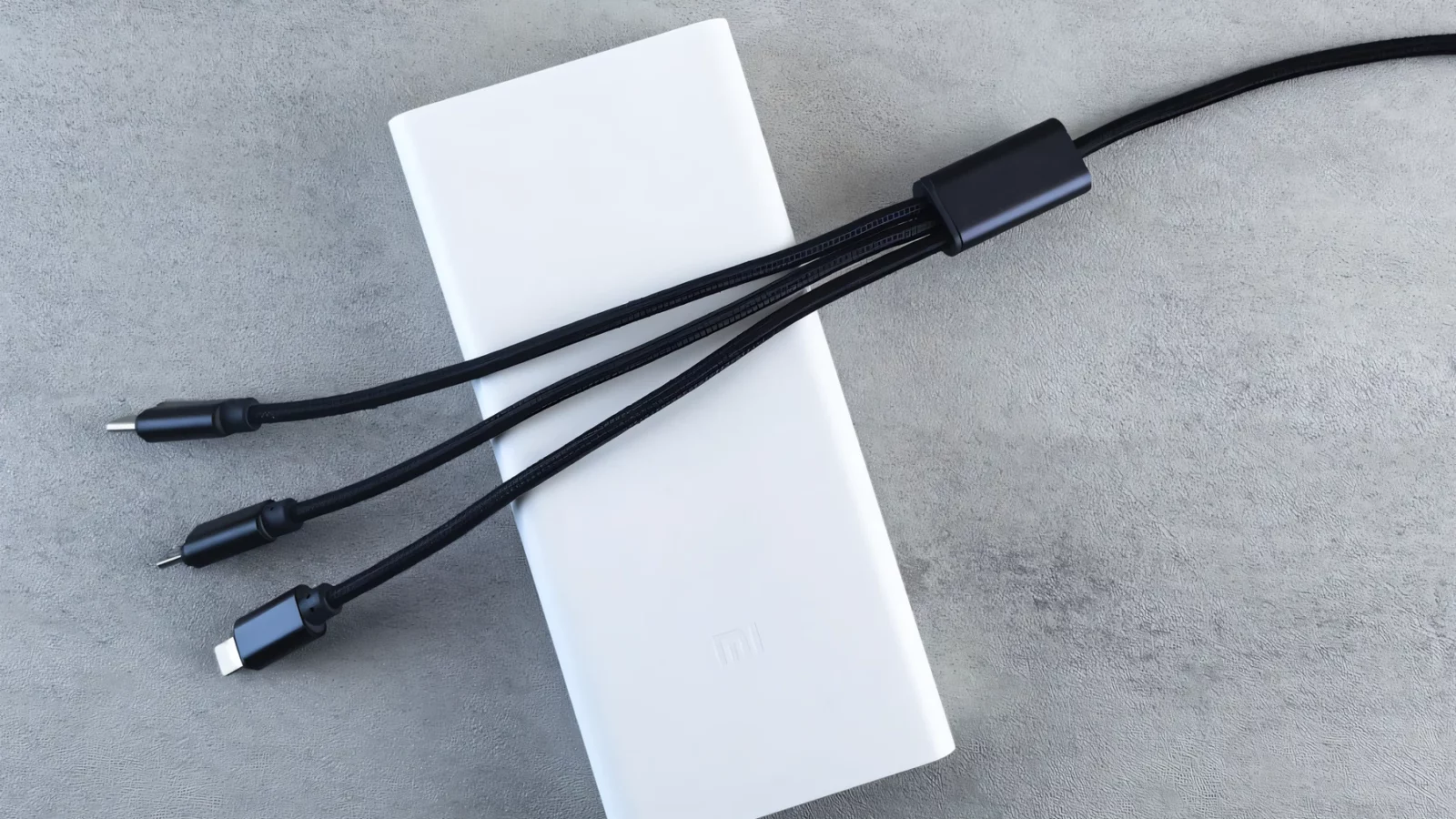
Many South Africans still charge everything the moment power comes back. Phones, laptops, power banks, torches, even devices that are already half full get plugged in anyway. The behaviour looks obsessive until you remember the years when a full battery could decide whether you got through a meeting, a school day or a taxi ride home.
The EskomSePush routine became part of daily life for millions. People checked it before cooking, driving, showering, or deciding whether to work from home or go into the office. For many, the app is still open out of habit, even when the grid is behaving. The mind learned to scan ahead for the next interruption.
The same thing happened with light. Torches stopped being something you hunted for in a drawer after a blackout started. They got their own place. So did headlamps, rechargeable lanterns and spare batteries. Gas stoves became normal in homes that had never bothered with them before. Braais turned into backup kitchens. Fridges got planned around. If you had meat that might spoil, you cooked it first or moved it. If you had cash to withdraw, you did it before the lights went out and the ATMs started acting up.
There is also a new social reflex. Before booking a restaurant, checking into a guesthouse, visiting a salon or even sitting down for a doctor’s appointment, people ask about backup power. Generator? Inverter? Solar? That question has become part of the South African consumer interview. Venues now sell reliability as much as they sell food or service.
Backup power drew the line in plain sight
Load shedding did not hit everyone in the same way. This was always the ugly truth.
If a household could afford solar panels, batteries or an inverter, the blackout became an inconvenience. If it could afford a generator, the blackout became noise and fuel costs. If it could afford both, the outage was mostly someone else’s problem. For everyone else, the dark was real. Food spoiled. Routers died. Security systems went quiet. Children had homework under weak light. Parents who worked remotely lost hours, and with them income.
The price of escape made the divide impossible to ignore. A proper residential solar setup can run from about R80 000 to more than R250 000. A smaller inverter and battery system usually starts around R15 000 and can climb to R50 000. Even the “cheaper” option is out of reach for many households already juggling rent, transport, school fees and groceries.
Backup power became more than a technical fix. It became a status symbol. A house with panels on the roof signalled cash. A house with a humming generator signalled cash plus frustration. In some suburbs, power resilience started adding value to property in a way that a fresh paint job never could. In others, the lack of it kept homes trapped in the same market they had always been in.
The split was just as sharp in business. Big retailers, office parks and wealthier neighbourhoods could ride through an outage with barely a wobble. Small shops in townships and rural areas often could not. No power meant no sales, no refrigeration, no card machines, no certainty. When the lights came back, the losses stayed.
The crisis rewired the mind
The lasting damage is not only practical. It is psychological.
Years of unstable power trained people to expect interruption. This creates a specific kind of tension. You do not relax into your day. You keep one eye on the battery icon, another on the schedule, and a third, if you have one, on the strange little hum that tells you the power has returned and might vanish again. The body gets used to waiting for the next problem.
That kind of living breeds load shedding fatigue, a tidy phrase for exhaustion that came from having to think twice about everything. Can I shower now? Can I start the oven? Can I send this email? Can I freeze the leftovers? Can I keep working after school pickup? The labour was not just the outage itself. It was the constant mental bookkeeping around it.
It also made many people more self-reliant, in ways they are unlikely to give up. They learned to keep backups, to plan ahead, to trust their own improvisation more than public promises. This can look like resilience. It can also look like a quiet withdrawal from the idea that public infrastructure will do what it is supposed to do.
What the habits say about trust
The deeper story is not that South Africans became good at coping. They did, and that part is real. The deeper story is that the country taught ordinary people to build private escape hatches because the public system kept failing them.
Once that happens, trust does not snap back quickly. Even when supply improves, the habits stay. The torches stay charged. The app stays on the phone. The food choices stay conservative. The backup power question stays part of the booking process. People may stop talking about load shedding as often, but they do not forget the shape of life it imposed.
That leaves a stubborn divide behind. Some households bought their way out of the darkness. Others learned to live inside it. When a crisis runs long enough, that difference shows up on an electricity bill, in behaviour, in property values, in business survival, in sleep, and in the way people think about the state.
Load shedding was sold for years as a power problem. It was also a lesson in inequality, and a very personal one.