South Africa still refuses to look, sound, or behave like everywhere else. That is not an accident. It is the country’s daily signature: loud, mixed, improvised, and impossible to flatten into a global template.
You hear it in the way people greet one another. You see it in the way a street corner becomes a marketplace. You taste it in the food, the wine, the braai smoke, and the biltong. You also feel it in the frustrations, from power cuts to paperwork, because even the hard parts of life have become part of the national rhythm.
The Everyday Codes
1. Auntie, Uncle, Sissie, Boetie South Africans often address strangers like family. Older women become Auntie. Older men become Uncle. Younger women get Sissie. Younger boys become Boetie. Mama and Tata show up too. It is more than politeness. It is a social shortcut that says: you are not outside the circle here.
2. Howzit, lekker, and the rest Local speech carries its own electricity. People move easily between words like lekker, kak, ag shame, now-now, just-now, ja-nee, howzit, sharp, yebo, and jislaaik. None of these phrases needs translation in context. They are part of the national operating system.
3. Meng tale on screen and off Language mixing is normal, not exceptional. South Africans shift between languages in the same sentence without blinking. Soapies such as Sewende Laan have long reflected that reality. The mix has a name too: meng tale. It is a sign of a country that lives in more than one tongue at once.
4. Nkosi Sikelel’ iAfrika The anthem is one of the most striking in the world because it moves through five languages: Xhosa, Zulu, Sesotho, Afrikaans, and English. People do not merely stand for it. They sing it with feeling, as if the country has to be held together in song before it can be held together anywhere else.
Sounds, Skies, and Landmarks
5. The hadeda at dawn The hadeda ibis is basically the nation’s unofficial bird. It announces itself with a shriek that can cut through a whole suburb at 5am. There are few places in South Africa where that sound does not eventually find you.
6. The blue sky A South African sky has a look of its own. It is sharp, wide, and almost aggressively blue. That is part of the country’s visual identity, just as much as the mountains, beaches, and open veld.
7. Table Mountain Few landmarks carry the same weight. Table Mountain is one of the New7Wonders of Nature, one of the country’s most photographed sights, and almost a national symbol in its own right. It shares the stage with Nelson Mandela in the global imagination of South Africa.
8. 365-day summer energy The country sells a particular weather dream. The Cape gets the worst of winter, but the Highveld and the east coast, including Durban, stay warm and bright even when other places are freezing. European visitors also arrive without the drag of jet lag, which makes the country feel easier to enter and harder to leave.
Food, Fire, and Consumer Life
9. The braai A braai is not just dinner outdoors. It is a social institution. People gather around the fire to talk, tease, argue, and linger. It brings together families, friends, and whole communities in a way that feels bigger than food.
10. Boerewors, biltong, pap, and samoosas These foods carry the country’s mix in one spread. Boerewors is farm sausage. Biltong is dried meat. Pap is mealie meal. Samoosas bring the savoury triangle from another tradition altogether. Put them on one table and you get the story of South Africa in edible form.
11. Woolies loyalty and resentment Woolworths, or Woolies, sits in a strange place in the national psyche. It is the shop people mock for its prices and trust for its quality. That tension is the point. The brand has become a shorthand for aspiration, taste, class, and the small luxuries South Africans argue about while still buying them. Its move into Australia only sharpened that global South African footprint.
12. Wine that finally got its due South African wine has moved well beyond the old bargain-bin reputation. Over the last 20 years, it has been treated more seriously abroad. The Wall Street Journal praised it for value, the Washington Post pointed to it as the next major wine story, and Forbes described a fresh chapter in its success. That is not hype. It is status earned slowly.
13. Avo seeds and Avozilla Many South Africans remember a childhood avocado seed balanced on toothpicks in a glass of water, waiting to sprout. The country also grows the giant Avozilla in Modjadjiskloof, Limpopo. Even the avocado has gone big here.
Work, Street Life, and Survival
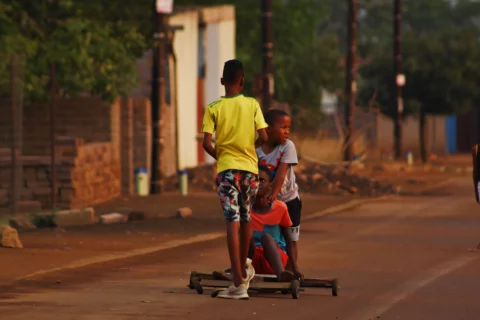
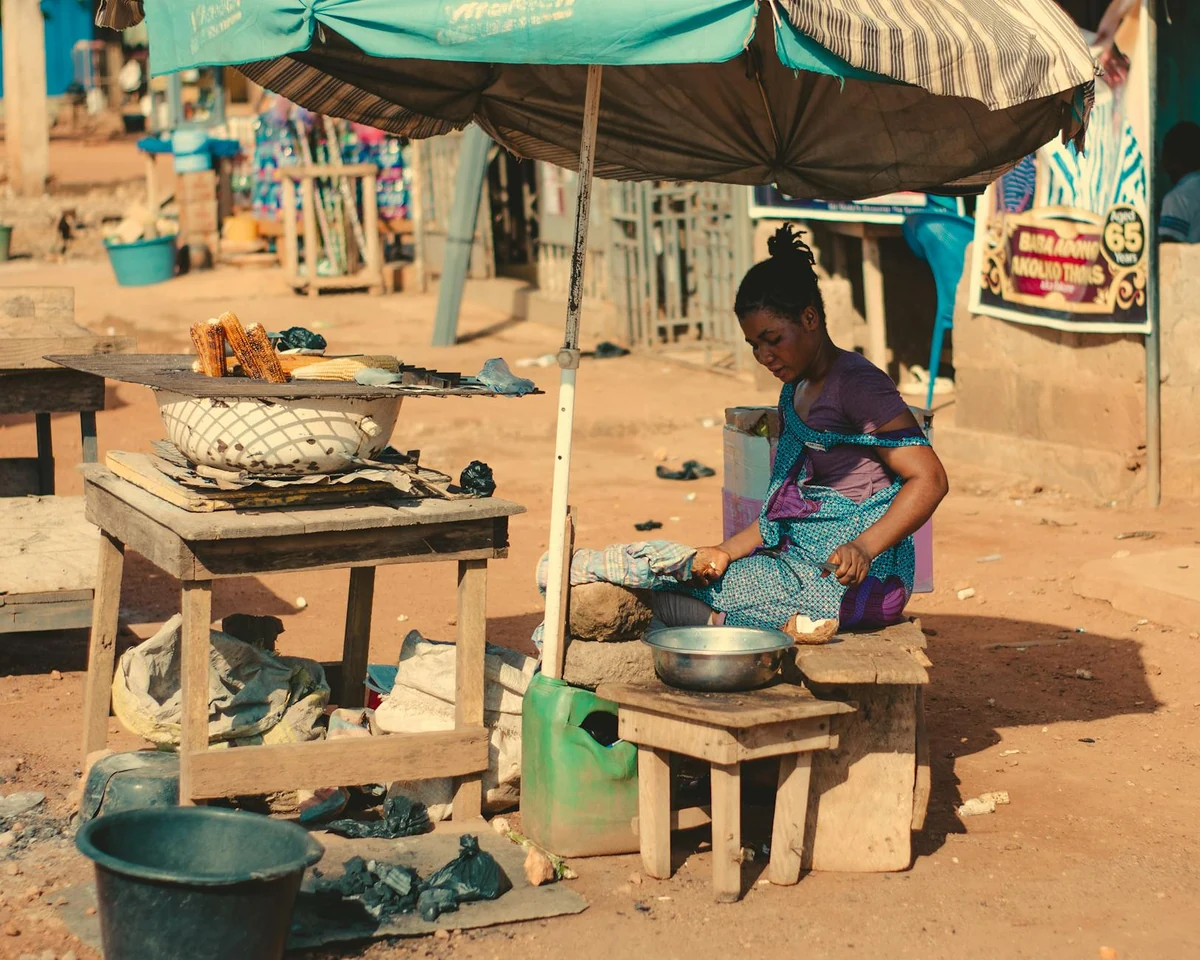
14. Robots Traffic lights are called robots. In major cities such as Johannesburg, Cape Town, and Durban, the corners around them often become working spaces for homeless people, Big Issue sellers, and people selling goods. “The guys at the robot” is the local phrase, and it says a lot about how survival gets built into the street.
15. Petrol attendants In many countries, drivers do everything themselves. In South Africa, someone else fills the tank. That small service supports more than 70,000 jobs in a country where one in three people is unemployed. If the attendant is called Lennox, nobody should act surprised.
16. Loadshedding Power cuts have become a national habit. Households keep schedules on the fridge. Phones carry apps for tracking outages. Loadshedding is not a random inconvenience. It is the planned shutdown of electricity to protect the grid, and it has shaped how people cook, work, study, and complain.
17. June 2015 and the birth certificate rule For a while, travel came with extra paperwork for families. In June 2015, minors crossing South African borders had to carry an unabridged birth certificate. The rule caused a storm of debate because it turned ordinary movement into bureaucracy with teeth.
Sport, Politics, and Jokes
18. Rugby and cricket South Africa is sports mad in a way that borders on faith. Rugby alone has more than 600,000 registered players, and the Springboks still rank among the world’s top five teams. Cricket sits right beside it in the national imagination. Spectator sport is not background noise here. It is part of the country’s public life.
19. Zuma jokes South Africans turn politics into comedy fast. Jacob Zuma’s jokes about Nkandla in Parliament in late May 2015 fed that instinct, and the opposition DA summed up the mood with the line about there being no leadership or solutions, only jokes. The country does not just watch politics. It memes it, mocks it, and keeps talking.
20. The South African habit of staying recognisably itself Taken together, these quirks do more than entertain. They show a society that has not surrendered to sameness. The greetings, the anthem, the birds, the food, the brands, the outages, the street corners, and the jokes all point to the same truth: South Africa is a place that makes a world of its own, then lives in it out loud.